Egypt festivals and holidays: the calendar a traveler can actually plan around
Egypt festivals and holidays: the calendar a traveler can actually plan around
Egypt runs on three calendars at once, which is why the holiday list confuses first-time visitors. The civil holidays sit on fixed dates: Coptic Christmas on January 7, Revolution Day on January 25, Sinai Liberation Day on April 25, July 23, and Armed Forces Day on October 6. The Abu Simbel sun alignment comes on February 22 and October 22. Everything else moves: Ramadan and the two Eids slide about eleven days earlier every year, Coptic Easter follows the Julian reckoning, and the moulids follow the Islamic months. None of them close the pyramids or stop a Nile cruise. A few fill every hotel with Egyptian families, and those are the ones to book around.
Three calendars, one country: how to read the Egyptian year
The state uses the Gregorian calendar, so banks and schools follow the same January to December you know. The Coptic Church keeps its own, a descendant of the pharaonic year of 365 days, which is why Coptic Christmas lands on January 7 and Coptic Easter usually falls after the Western date. Islamic holidays follow a lunar year of roughly 354 days, so each arrives about eleven days earlier every year and cycles through the seasons over about three decades.
For a traveler that gives three rules:
- Fixed-date holidays are easy: a day off for Egyptians, monuments open.
- Coptic feasts move a little and mostly touch Cairo's churches and, on Sham el Nessim, every riverbank in the country.
- Islamic feasts move a lot and reshape a trip: Ramadan changes the daily rhythm and the two Eids send millions of Egyptians on vacation at once.
The history behind the Coptic year is in our piece on the pharaonic calendar and the origin of the 365 day year.
The Egyptian holiday calendar at a glance
A day of the month is a fixed date. "Moves" means the holiday follows the rule shown; check the current year before you lock cabins.
| Date | Festival or holiday | What you see | Effect on the trip |
|---|---|---|---|
| January 7 | Coptic Christmas | Midnight liturgy the night before | Public holiday, sites open, hotels normal |
| January 25 | Revolution Day and Police Day | Flags, extra security around Tahrir | Public holiday, a quiet day in Cairo |
| February 22 and October 22 | Abu Simbel sun alignment | Dawn sun on the sanctuary statues, dancing outside | Aswan and Abu Simbel hotels sell out, book months ahead |
| Moves, Julian Easter | Coptic Easter | Saturday night vigil, feasting | Not a national holiday, no effect on sites |
| Moves, Monday after Coptic Easter | Sham el Nessim | Families picnicking, colored eggs, salted fish | Public holiday, parks packed, monuments calm |
| April 25 | Sinai Liberation Day | Flags in Sharm el Sheikh and Dahab | Public holiday, Red Sea hotels busy with Egyptians |
| Moves, one lunar month | Ramadan | Lanterns, street iftars, cities alive until dawn | Shorter site hours, late nights, ships sail as normal |
| Moves, end of Ramadan | Eid al-Fitr | New clothes, sweets, families on feluccas | Three to four days, hotels and ships fill with Egyptians |
| Moves, about ten weeks later | Eid al-Adha | Livestock in the streets, dawn prayers | Four to five days, the bigger booking squeeze |
| July 23 | Revolution Day | Official ceremonies, little in the street | Public holiday, peak heat, sites open |
| Mid August | Wafaa el Nil, the Nile flood celebration | Small ceremonies and boats on the river | No closures, a bonus if you are in Cairo |
| October 6 | Armed Forces Day | Parades on television, flags on bridges | Public holiday, start of the cool season |
| Late fall | Cairo International Film Festival | Red carpet at the Opera House, screenings downtown | Downtown hotels tighter, nothing closes |
| Moves, Islamic months | Moulids of Al Hussein, Sayeda Zeinab, Abu el Haggag | Sufi chanting, tents, boats carried in Luxor | One neighborhood only, go with a guide |
| December 31 | New Year on the Nile | Gala dinners aboard, fireworks over the river | The most booked night of the year on the Nile |
The fixed-date national holidays and what they change
Egypt's civil holidays share one behavior: offices, banks and schools close while the tourist economy carries on. Giza, the museums, Karnak, Philae and Abu Simbel open on every one of them, and your driver and guide work.
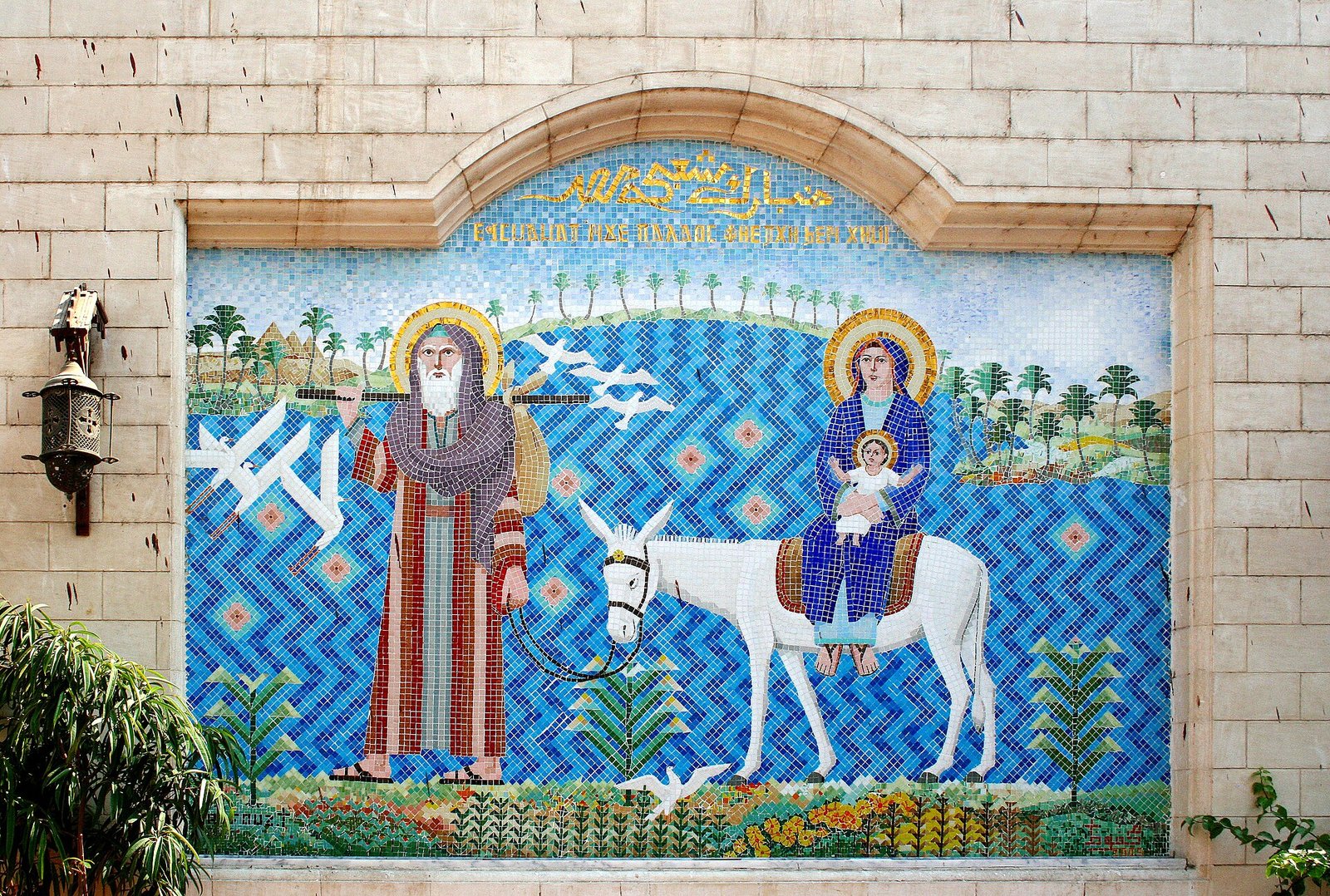
January 7, Coptic Christmas
The real event is the night before, when Coptic churches hold the Christmas liturgy from late evening into the early hours. Visitors are welcome at the back of a service in Coptic Cairo, dressed modestly. The day itself is a quiet public holiday for all Egyptians. Our guide to Christmas in Egypt explains how December 25 and January 7 fit together for a visitor.
January 25, Revolution Day
The anniversary of the 2011 uprising doubles as Police Day. Expect visible, calm security around Tahrir Square and lighter traffic than usual.
April 25, Sinai Liberation Day
It marks the return of the Sinai peninsula, so it is felt in Sharm el Sheikh and Dahab more than in Cairo. When it touches a weekend, Red Sea hotels fill with Cairo families while the Nile Valley does not. Sham el Nessim often lands in the same fortnight, which our notes on visiting Egypt in April cover.
July 23 and October 6
July 23 remembers the 1952 revolution and October 6 the 1973 war, both official ceremonies rather than street festivals. July 23 falls in the hottest weeks of the year, so plan the day around shade. October 6 opens the cool season, and the Abu Simbel alignment follows on October 22. Our page on visiting Egypt in October shows how the two combine.
February 22 and October 22: the Abu Simbel sun alignment
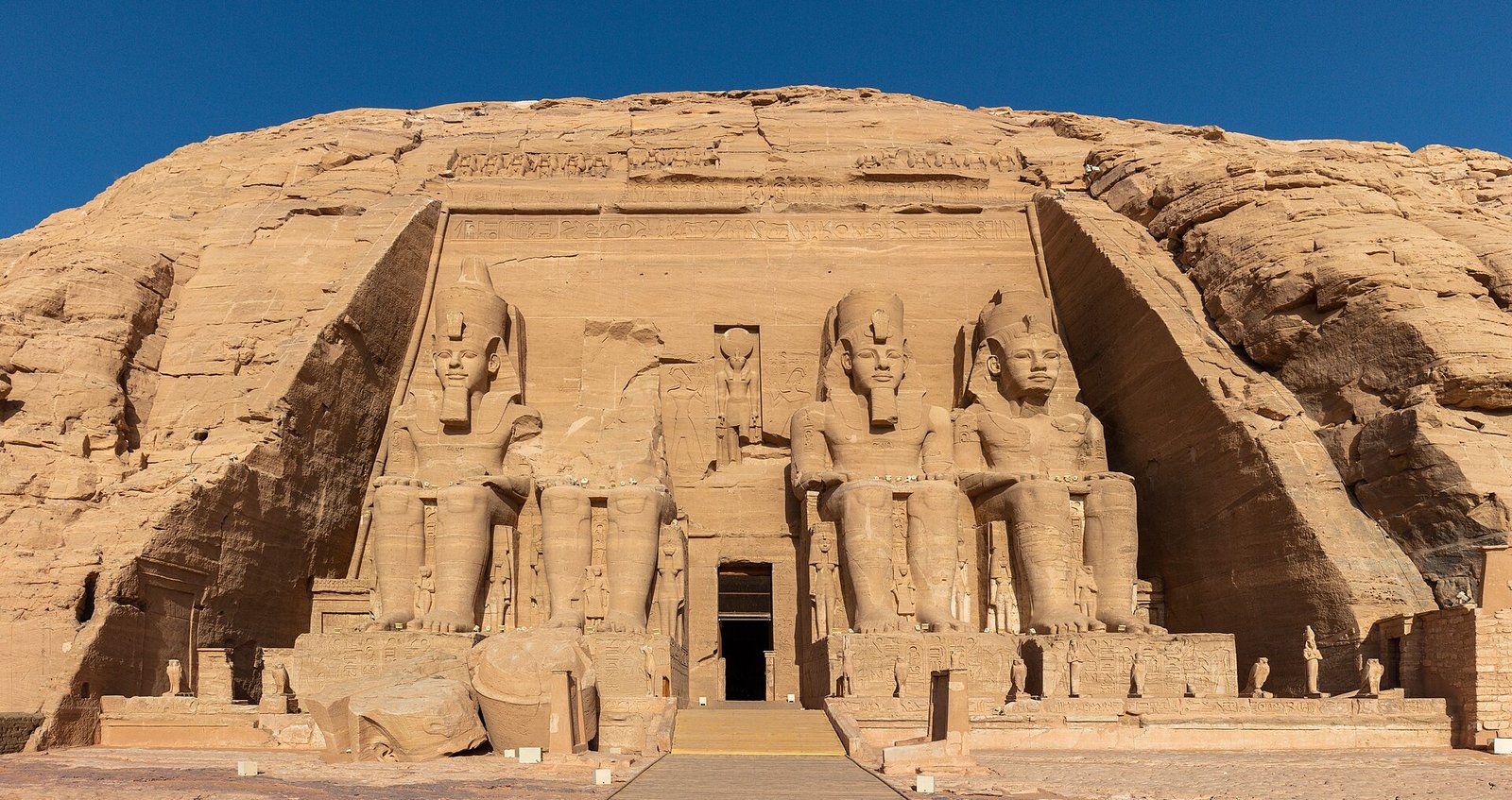
Twice a year the rising sun travels the length of the Great Temple at Abu Simbel and lights three of the four statues in the sanctuary, leaving Ptah, god of the underworld, in shadow. The engineers who moved the temple in the 1960s preserved the effect, and Egypt marks both mornings with Nubian music and dancing outside.
What you experience is a long wait, a few minutes of light, and a genuinely moving moment.
- You need to be on the plateau before dawn, so you sleep in Abu Simbel or leave Aswan around midnight.
- Aswan hotels and the handful at Abu Simbel sell out for these dates well ahead of the season.
- Nile ships that include Abu Simbel by road still run; the coach simply leaves earlier.
Seek it out if the temple is a highlight for you and you accept a crowd. Avoid it if you want the sanctuary to yourself: the day after is close to empty and the dawn light is still spectacular. Timing, the wait and the alternatives are in our guide to the Abu Simbel sun festival.
Coptic Easter and Sham el Nessim, the spring pair
Coptic Easter follows the Julian reckoning, so it usually falls one to five weeks after Western Easter. It is not a public holiday, but the Saturday night vigil in Coptic Cairo, with the church lit and packed after a long fast, is one of the more atmospheric things a visitor can quietly witness.
The Monday after Coptic Easter is Sham el Nessim, and this one everyone celebrates. The name means "smelling the breeze" and the tradition is pharaonic: families go out at dawn with colored eggs, green onions, lettuce and feseekh, a fermented salted mullet you will smell before you see. Every strip of grass in Cairo fills, and the feluccas at Aswan and Luxor carry Egyptian families by mid morning.
- All monuments open and are calmer than usual, because Egyptians spend the day in parks, not at temples.
- Red Sea and Alexandria hotels fill if the Monday joins a weekend.
- Nile ships sail as usual; your felucca ride shares the river with dozens of picnicking boats, which is the charm.
Seek it out. It is Egypt at its most relaxed, and a guide can take you to the right patch of riverbank in Aswan or Luxor for an hour of it.
Ramadan and the two Eids: what changes for a visitor
Ramadan is the month travelers ask about most and misjudge most. Egypt does not shut down: monuments open, hotels serve all meals and alcohol to guests, tourist restaurants keep serving, and Nile cruises sail on schedule. What changes is the rhythm.
During the month
- Sites tend to close earlier in the afternoon, so your guide starts earlier. Check current hours rather than a guidebook.
- Streets go quiet before sunset, then explode into life at iftar. Eating in public by day is legal but impolite outside tourist areas.
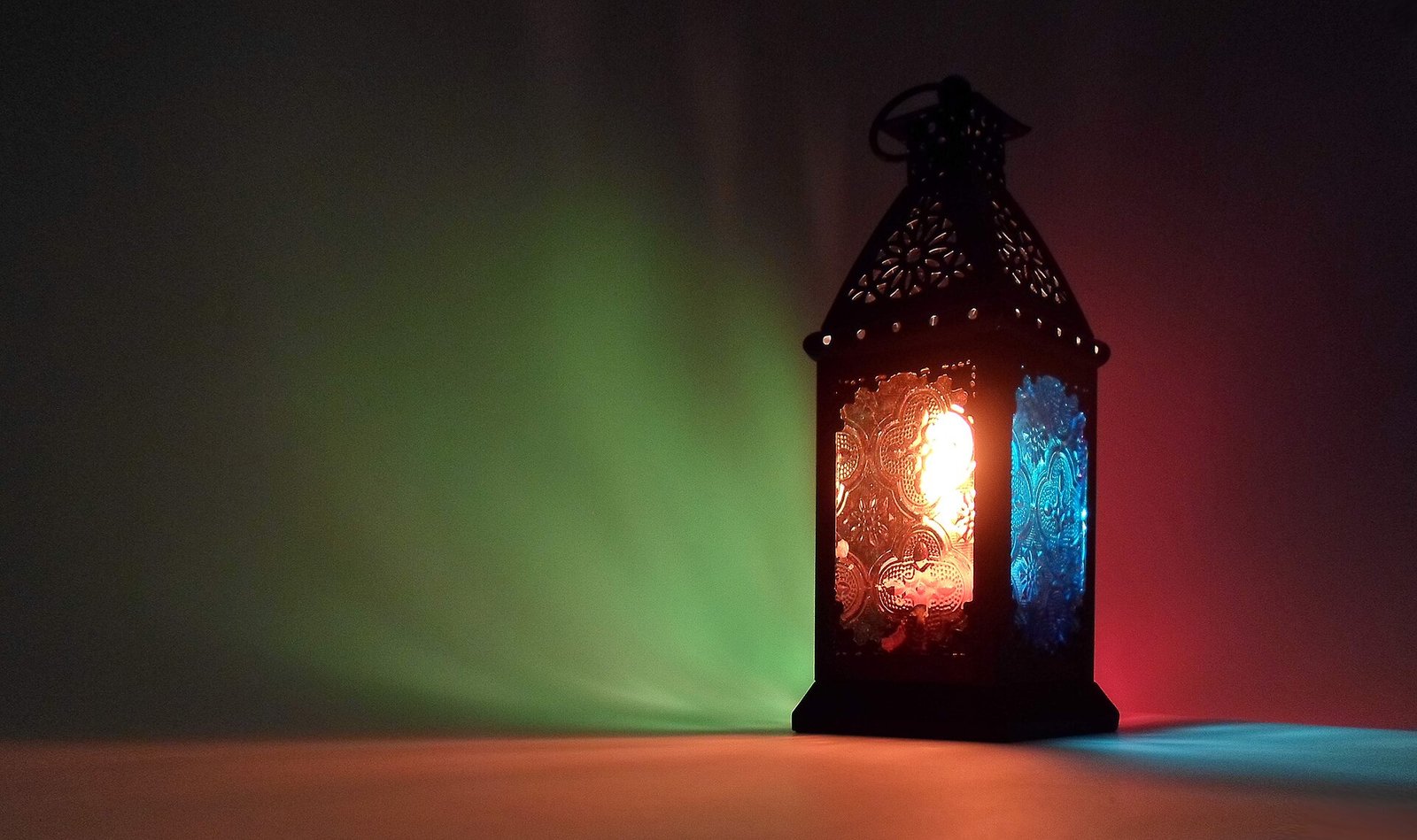
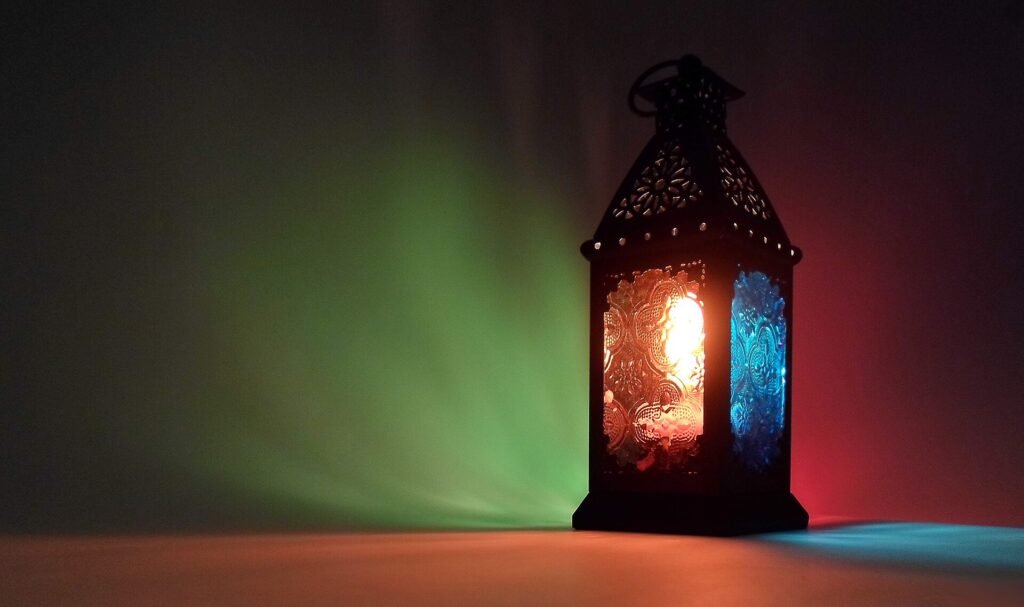
- Evenings are the reward: lanterns across Al Muizz street, iftar tables on the sidewalks, Khan el Khalili trading past midnight. Book one iftar in Islamic Cairo.
- Bars outside hotels may close for the month.
If you like a city at night and an early start, Ramadan in Cairo is memorable and the monuments are quieter than usual.
Eid al-Fitr and Eid al-Adha
Eid al-Fitr ends Ramadan with a three to four day holiday. Eid al-Adha, about ten weeks later, runs four to five days and is the bigger of the two. On both, Egyptians travel: Cairo empties and the Red Sea and the Nile ships fill with domestic families, which is how a five star ship sells out with no foreign high season in sight.
- Book hotels and cabins early with names and passports; allocations go to Egyptian agents months ahead.
- The first morning of each Eid, Giza is crowded with local families and the mood is festive. The day after is normal.
- Before Eid al-Adha you will see sheep penned in city streets, and the sacrifice on the morning itself. Families with young children may prefer a temple in Upper Egypt that morning.
Because the lunar dates shift, tell us your window and we check where Ramadan and both Eids fall before we quote a ship.
Summer and fall: the Nile flood and the film festival
Wafaa el Nil, the Nile flooding celebration
Before the High Dam the river rose every August and the whole civilization depended on it. The modern celebration keeps the memory alive in mid month with small ceremonies on the Cairo corniche, decorated boats, folk troupes and a symbolic bride of the Nile thrown into the water as a doll. It is charming rather than spectacular and lands in the hottest part of the year, with Cairo afternoons above 100°F (38°C). Enjoy it if you are in the city anyway; do not build a trip around it.
The Cairo International Film Festival
Late in the fall the Cairo Opera House hosts one of the oldest film festivals in the region. Screenings run in downtown cinemas for about ten days and the red carpet evenings draw Egyptian celebrities to Zamalek. Hotels in Zamalek and downtown tighten for the week, nothing closes, and the weather is close to perfect for a Nile cruise. Our comparison of the high and low season in Egypt puts the period in context.
Moulids: the saints' festivals in Cairo and Luxor
A moulid is a birthday festival for a Muslim saint, and the big ones are the most authentically local celebrations a visitor can step into. Each follows its own Islamic month, so the Gregorian date shifts every year. The streets around the shrine fill with tents, colored lights, sweet sellers and swings, and at night Sufi brotherhoods chant in zikr circles until the small hours.
Al Hussein, Cairo
The largest moulid in the country wraps the Al Hussein mosque and the lanes of Khan el Khalili in the month of Rabi al-Thani, building over a week to a final night. It is loud, crowded and safe, and a guide who knows the quarter makes the evening memorable rather than overwhelming.
Sayeda Zeinab, Cairo
Held in the month of Rajab around the mosque of the Prophet's granddaughter, south of downtown. Smaller and more local, same tents and chanting.
Abu el Haggag, Luxor
The most interesting one for anyone who cares about ancient Egypt. Two weeks before Ramadan, in the month of Shaaban, the people of Luxor carry boats on carts and shoulders around the mosque inside Luxor Temple, almost certainly a survival of the Opet festival, when the barques of Amun traveled between Karnak and Luxor. Horsemen, stick fighters and camels join in. If your ship is docked at Luxor that day, walk out and watch.
Seek moulids out if you enjoy crowds and want Egypt beyond the temples. Skip the final night with small children. They do not affect hotels or ships.
New Year on the Nile and the December season
December 31 is the most booked night of the year on the river. Every ship between Luxor and Aswan runs a gala dinner, usually compulsory for anyone aboard, with live music, a belly dancer and a countdown on the sun deck. Luxor and Aswan hotels do the same and Cairo hotels stage fireworks over the Nile. Book by early fall if you want a specific ship.
The wider December period brings Western Christmas on December 25, a normal working day in Egypt with decorated hotel lobbies, then Coptic Christmas on January 7. Between them the weather in Upper Egypt is as good as it gets and the crowds are the year's heaviest. Our page on visiting Egypt in December covers it week by week.
How holidays change hotels and Nile ships, and how we book around them
Foreign high season runs from October to April, with peaks at Christmas to New Year and the Abu Simbel alignments. Domestic high season is the two Eids, Sham el Nessim and any public holiday that touches a weekend. When Eid falls in winter, the river is full from both sides.
| Period | Who fills the rooms | What we do |
|---|---|---|
| Christmas to New Year | Foreign visitors | Hold ships by September, gala dinner in the plan |
| February 22 and October 22 | Foreign visitors around Aswan | Book Aswan and Abu Simbel hotels first, then the ship |
| Eid al-Fitr and Eid al-Adha | Egyptian families, Red Sea and Nile | Confirm cabins early, or shift the cruise a week |
| Ramadan | Nobody in particular | Earlier starts, iftar evenings, often better cabin choice |
| Sham el Nessim, April 25, October 6 | Egyptians on long weekends | Keep you in the Nile Valley that weekend |
None of this should keep you away from Egypt on a holiday; it should make you decide early. Weather and crowds by month are compared in our guide to the best time to visit Egypt, and the festivals above are the layer on top. Send us your dates and we take it from there.
Frequently asked questions
Do the pyramids and temples close on Egyptian public holidays?
No. The archaeological sites, the museums and the Nile cruise circuit operate on every national holiday, including both Eids and Coptic Christmas. What closes are banks, government offices and embassies. The changes to plan for are Ramadan, when sites shorten afternoon hours, and the first morning of each Eid, when Giza fills with local families.
Is it a bad idea to visit Egypt during Ramadan?
Not for most travelers. Hotels serve meals and drinks to guests all day, tourist restaurants stay open, and the monuments are quieter than usual. The trade-off is earlier site closures and a sleepy late afternoon, balanced by the best nights of the year in Islamic Cairo. If you want long lunches with wine and a late start, pick another month.
Which Egyptian holiday makes hotels and Nile cruises hardest to book?
New Year's Eve for foreign visitors and Eid al-Adha for domestic ones. On December 31 every ship on the river sells out with a compulsory gala dinner. During Eid al-Adha, and slightly less at Eid al-Fitr, Egyptian families take the Red Sea resorts and the Nile ships for four or five days. Both are manageable if you confirm early.
Can I see the Abu Simbel sun alignment without being there on the exact date?
The precise event happens on February 22 and October 22, when the sun reaches the sanctuary statues. In the days either side the light still travels deep into the temple at dawn, which is what most visitors remember, without the crowd and the midnight departure from Aswan. If the crowd puts you off, visit a day or two after the date.
Is Coptic Easter a public holiday in Egypt?
Coptic Easter itself is not a national holiday, though Coptic Christmas on January 7 is. The Monday after Coptic Easter, Sham el Nessim, is a public holiday for everyone, celebrated by Muslims and Christians alike with picnics and colored eggs. Because Coptic Easter follows the Julian calendar, it usually falls after Western Easter, so check the current year.
Are festivals and moulids safe and appropriate for visitors?
Yes, and Egyptians are generally pleased to see foreigners at them. Dress modestly, ask before photographing people, and go with a guide for the big Cairo moulids, since the lanes around Al Hussein get very dense on the final night. The Abu el Haggag procession in Luxor is daytime and easy.
Tell us your dates and we tell you what Egypt is celebrating
Send us your travel window and who is coming. We check it against every fixed holiday and the year's movable feasts, tell you what you will see and what to book first, and send the quote with the ships that still have space. Our guides, our vehicles, our office in Egypt.